
Unveiling the Mantilla for Mass: 7 Most Common Questions Answered
Understanding the Background and Reasons for Wearing the Chapel Veil
The first time I draped my new veil over my hair, I felt immediate discomfort.
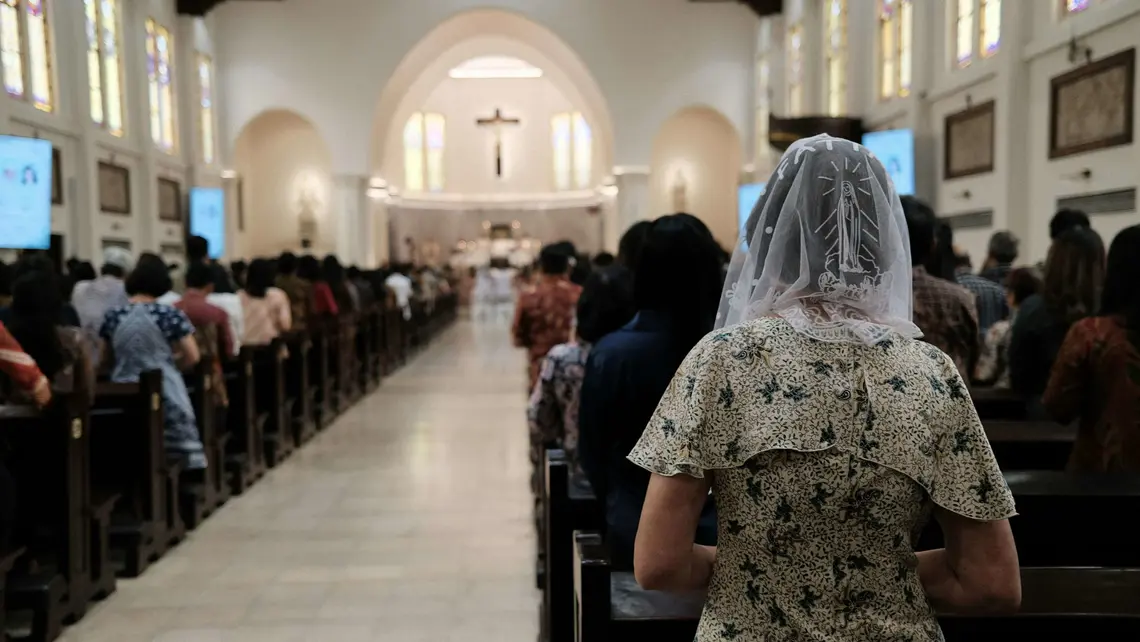
Wearing my delicate mantilla for Mass felt out of place in the modern church building where I was attending Sunday Mass. I couldn’t blend in with the sea of lace-covered heads common in more traditional parishes, so I stuck out completely.
Being away from home, it was inevitable that I would have to become confident with covering my head in places unaccustomed to the chapel veil. I eventually found that confidence.
As Ancient as Paul’s Writings to the Corinthians
Women covering their heads within the Church has a rich history, beginning with Paul’s instruction to women in 1st Corinthians 3-11:
But I would have you know, that the head of every man is Christ; and the head of the woman is the man; and the head of Christ is God. Every man praying or prophesying with his head covered, disgraceth his head. But every woman praying or prophesying with her head not covered, disgraceth her head: for it is all one as if she were shaven. For if a woman be not covered, let her be shorn. But if it be a shame to a woman to be shorn or made bald, let her cover her head. The man indeed ought not to cover his head, because he is the image and glory of God; but the woman is the glory of the man. For the man is not of the woman, but the woman of the man. For the man was not created for the woman, but the woman for the man. Therefore ought the woman to have a power over her head, because of the angels. But yet neither is the man without the woman, nor the woman without the man, in the Lord. For as the woman is of the man, so also is the man by the woman: but all things of God. You yourselves judge: doth it become a woman, to pray unto God uncovered? Doth not even nature itself teach you, that a man indeed, if he nourish his hair, it is a shame unto him? But if a woman nourish her hair, it is a glory to her; for her hair is given to her for a covering. But if any man seems to be contentious, we have no such custom, nor the church of God.
In the context of the time Paul was writing in, it was culturally appropriate and considered modest for women to cover their heads while praying. Though women are not morally or culturally bound by the precedent to cover their hair by modern standards, it is a tradition that has prevailed (pun unintended) throughout 2000 years of Church history.
In fact, it was only within the last 100 years that women stopped covering their heads during the Mass. Today, while wearing a veil is no longer strictly necessary, it remains a fruitful, and beautiful devotion within the treasury of the Church.
Today however, many people may be at a loss for why women choose to veil at all, especially since it is no longer a binding canonical obligation or societal custom. Because veiling is an optional practice, it’s easy to make judgements about why some may women choose to do so. Regardless of what people may believe, veiling does not make a woman especially pious, neither does it mean she wants to be seen as especially pious.
Related: How to Easily Grasp The Latin Mass: A Step-by-Step Guide
7 Essential Questions for Wearing the Christian Veil
While chapel veils may be a source of vanity for some women, the veil is more than just a pretty accessory to top off a woman’s Sunday best. In fact, there are many women who would like veil to become closer to God yet face an internal struggle due to a fear of judgement from others. Veiling is a very attractive and lovely tradition, but it poses a lot of questions and is often a source of confusion and even contention. This article will clarify the points of confusion and mystery surrounding the tradition of wearing a mantilla for Mass and offer information and encouragement to women who would like to begin veiling.
What is the significance of the veil?
In short, Christian veiling signifies reverence, obedience, and submission before God, but there is also a deeper theological significance of the veil as a symbol. Consider how the symbol of the veil is used more generally within the liturgy- everything that is sacred is covered- the tabernacle, the chalice and paten, the altar, even Christ himself, as He is hidden within the form of bread and wine, are all veiled. (https://fatima.org/news-views/catholic-apologetics-183/)
If we understand that the symbol of the veil indicates that something is set apart for worship, it becomes obvious why women veil. Women are set apart in a special way by God because of their ability to become co-creators with Him and bear life. Though not all women are called to physical motherhood, all women are called to spiritual motherhood, to nourish life in those around us. Both dimensions of motherhood are equally precious and vital, and when women live out their vocations either to marriage or the concentrated life dutifully and faithfully each day, our lives become an act of worship. Thus, women who wear a mantilla for Mass alongside the other veiled objects in the liturgy is a reflection of the dignity of our feminine nature and the way that women are called to serve the Kingdom of God.
Do I have to wear a veil?
The short answer is no, you are not bound to where a mantilla to Mass, and deciding not to veil, or to veil for that matter does not make you more or less devout. If you are curious about the Church’s mandate of women wearing head coverings in recent history, veiling had been the custom within the Church for hundreds of years, though it was only in 1917 that this practice was codified into canon law. The 1917 Code of Canon Law states:
Men, in a church or outside a church, while they are assisting at sacred rites, shall be bare-headed, unless the approved mores of the people or peculiar circumstances of things determine otherwise; women, however, shall have a covered head and be modestly dressed, especially when they approach the table of the Lord.
However, veiling gradually fell out of custom beginning in the 1960’s, as more women began to attend Church without head coverings and the obligation to veil was formally abolished when it was not reissued in the 1983 Code. (https://www.catholic.com/qa/how-women-came-to-be-bare-headed-in-church)
When do I veil?
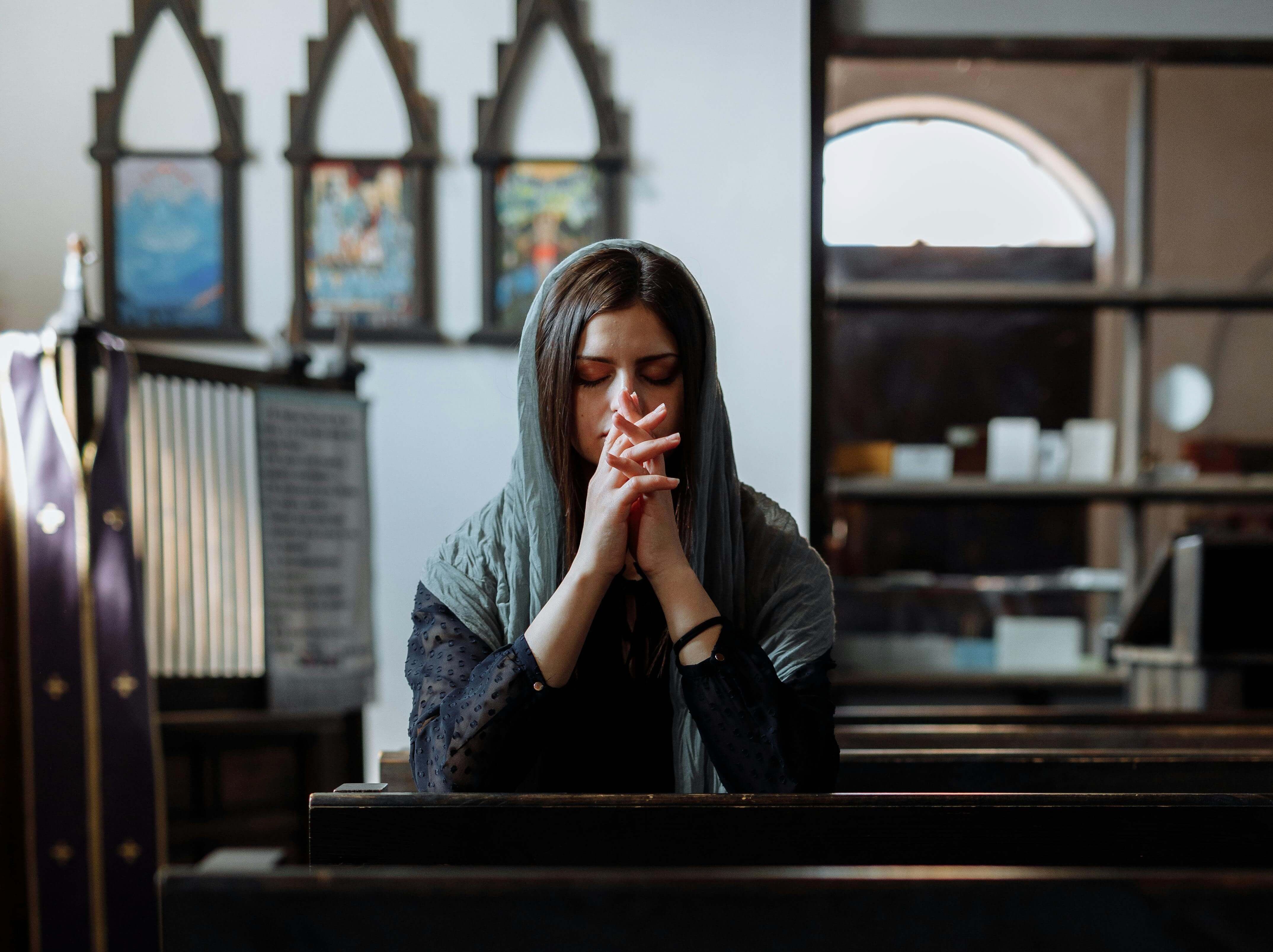
Wear a veil any time you are in the presence of Jesus in the Blessed Sacrament, such as during the celebration of the Mass and Eucharistic adoration, but even if you step into a church for personal prayer or confession.
Related: 6 Ways to Personally Have More Reverence in Church and at Mass
Is veiling virtue or vanity?
Veiling does not make a woman virtuous by default, nor does it mean she is seeking attention or praise. However, it all comes down to her intention and the reasons for which she chooses to veil...
Is it because she simply finds it to be a lovely tradition within the Church? Beautiful!
Is it because she wants others to think she is holy, or admire her veil above others? Then she must examine her heart.
If your primary motivation for wearing a chapel veil is for praise or recognition from others, this is vanity. On the other hand, if an excessive preoccupation with how others will perceive your veiling actually prevents you from beginning a devotion you feel called to, this can also be vanity. For those of you who are worried about being perceived as vain or “holier than thou”, consider this paradox...
If you veil despite what people may think or say, yes, you may be sticking out, and yes, people may wrongly judge you, however your choice becomes an opportunity to grow in the virtue of humility. Veiling for the first time reflects that you are willing to undergo a small sacrifice of humiliation for the Lord. Overcoming your initial hesitation, and any future circumstance where you may feel uncomfortable veiling is a little way that you can embrace humility and submission to God.
Why veil?
Here are three important reasons to encourage you if you are discerning veiling:
- Wearing a veil represents a pious devotion towards Christ.
- It is a way to participate in the traditions of the Church.
- It helps you to prepare your mind and heart for prayer.
As mentioned above, veiling is done as an act of worship and devotion to God, particularly in showing reverence to Jesus in the Blessed Sacrament. The Catholic faith is rich in signs, symbols and practices that are meant to increase our devotion and piety towards the Lord. When we enter a church, we genuflect before the altar, bless ourselves with holy water, and fold our hands in prayer. Think of the veil as another sign of reverence before our Eucharistic Lord among these other practices. While everyone participates in the standard rituals, veiling is an additional devotion exclusive to women. Just as women are set apart physically, women are also set apart spiritually, as only women have the privilege of honoring God by covering their heads.
In addition to showing reverence to Jesus, one of the most pertinent reasons to veil is to involve yourself more deeply in the traditions of the Catholic Church. Embracing an age-old tradition can help you to feel connected to the transcendent values of our faith and grounded in the constancy of the Church. On a philosophical level, contemplate how women are bearers and nurturers of life- women who veil participate in preserving the life of tradition within the Church.
Additionally, veiling can help remind you that the minute you step into a Church, you are stepping into the house of God where Jesus is present. Draping a veil over your hair is yet another reminder that you are in a place of worship, and that you are preparing yourself to commune with the Lord. Considering the idea of being “set apart”, veiling can literally help you set yourself apart from distractions. Many veils block your peripheral vision, which encourages you to direct your gaze towards the altar.
Related: What Everyone Should Know About How To Receive Holy Communion
How I do I begin veiling without “making a statement?”
It is understandable why some women who desire to veil feel discouraged at the thought of other’s questioning stares or even confrontation. Making a statement is unavoidable- when you cover your head, especially among a congregation where veiling is rarer, people will notice. This is not necessarily a bad thing, since the veil is meant to reflect a theological truth. What matters more than what others think is your intention behind the statement you make by veiling.
If you know your own heart, it does not do any good to dwell on any false assumptions people may make about you. Take comfort in your pure intentions to honor God and participate in the glory of the Church’s traditions. Also know that many, if not all women who have begun to veil experienced the same discomfort at the very beginning of their own practice. If you want to veil, there’s no room for perfectionism or preparation- you must make the decision once, and soon it will become second nature to you.
If you’re new to wearing a mantilla for Mass, the best way to begin is to choose a simple style and shape, such as a neutral-colored triangle veil, and perhaps veil at a church where it is a more common practice. As for styles, there are a few different shapes and lengths to choose from:
- If you prefer practicality, a triangle shaped veil is the most practical for everyday use, especially with a veil clip sewn in.
- “Infinity veils” are also a newer style and can be particularly useful for mothers of young children- if little hands tug it from your head, it will remain wrapped around your neck.
You can find your first veil on veilsbytradition.com (not affiliated). On this website, you can order veils at no cost to you except for shipping. Veils By Lily (not affiliated) is also a very popular place that offers a “starter veil” which is a pretty, yet simple veil for those who want to try Christian veiling for the first time. Choosing your first veil can feel overwhelming, but the truth is there is no “right” way to veil. Just pick a tasteful option that you like and a style that works for your current state of life.
What do the different colors mean?
Since there has been a modern resurgence of chapel veils, mantillas have become available in a range of styles, patterns, and colors. Traditionally, white veils were worn by unmarried women and black veils were worn by married women, though this is not a custom that is strictly followed today. Additionally, many women enjoy corresponding their veil color to the liturgical season of the Church or different feast days, for example, wearing a purple veil in Lent or Advent, or an ornate golden veil for special feasts like Christmas or Easter. Another popular choice is a blue veil which is a special way to show devotion towards Our Lady on Saturdays and Marian feast days. You can have fun with this! (https://coffeewithdamian.com/blog/catholic-veils/)
Courage, Humility and Trust
I am grateful God has inspired me to veil, and that as a woman I have the opportunity to participate in such a visceral tradition within the Church. Now, whenever I enter a church, and for whichever kind of liturgy I attend, I make sure I bring my veil with me. Every now and then I feel a little out of place, but that feeling doesn’t overshadow my desire for a consistent devotion. For whatever reason you feel called to wear a mantilla for Mass, open your heart to the Lord in prayer to ask Him for the necessary graces to help you embrace this ancient and feminine tradition. Whether you need courage, humility, or obedience to answer His call for you to veil, trust that God grants the desires of a pure heart.
ABOUT THE AUTHOR
M.K.S is an English Literature major and recent graduate. In her free time, she enjoys reading, writing, graphic design, and learning about Carmelite spirituality.
Reverent Road to Sunday: A Daily Journal for Developing Habits in the Liturgical Year
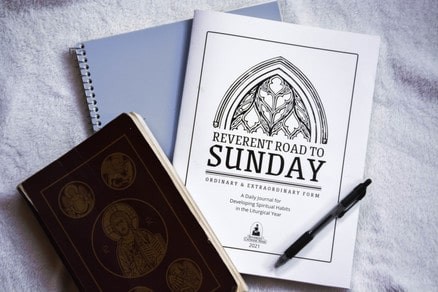
If you have been struggling to stay on track and make progress in the spiritual life, perhaps The Reverent Road to Sunday: A Daily Journal for Developing Spiritual Habits in the Liturgical Year will help.
Features:
-
Novus Ordo feast days and readings
-
Traditional Latin Mass (1962) feast days and readings
-
Checkboxes with daily spiritual habits reminders such as the Morning Offering, daily Mass, silent prayer, rosary, spiritual reading, Angelus, and Daily Examen
-
Monthly confession reminders
-
Weekly Friday abstinence reminders
-
Tons of space for notes to track your progress
The Beads: Rosary Meditations Guided by the Saints
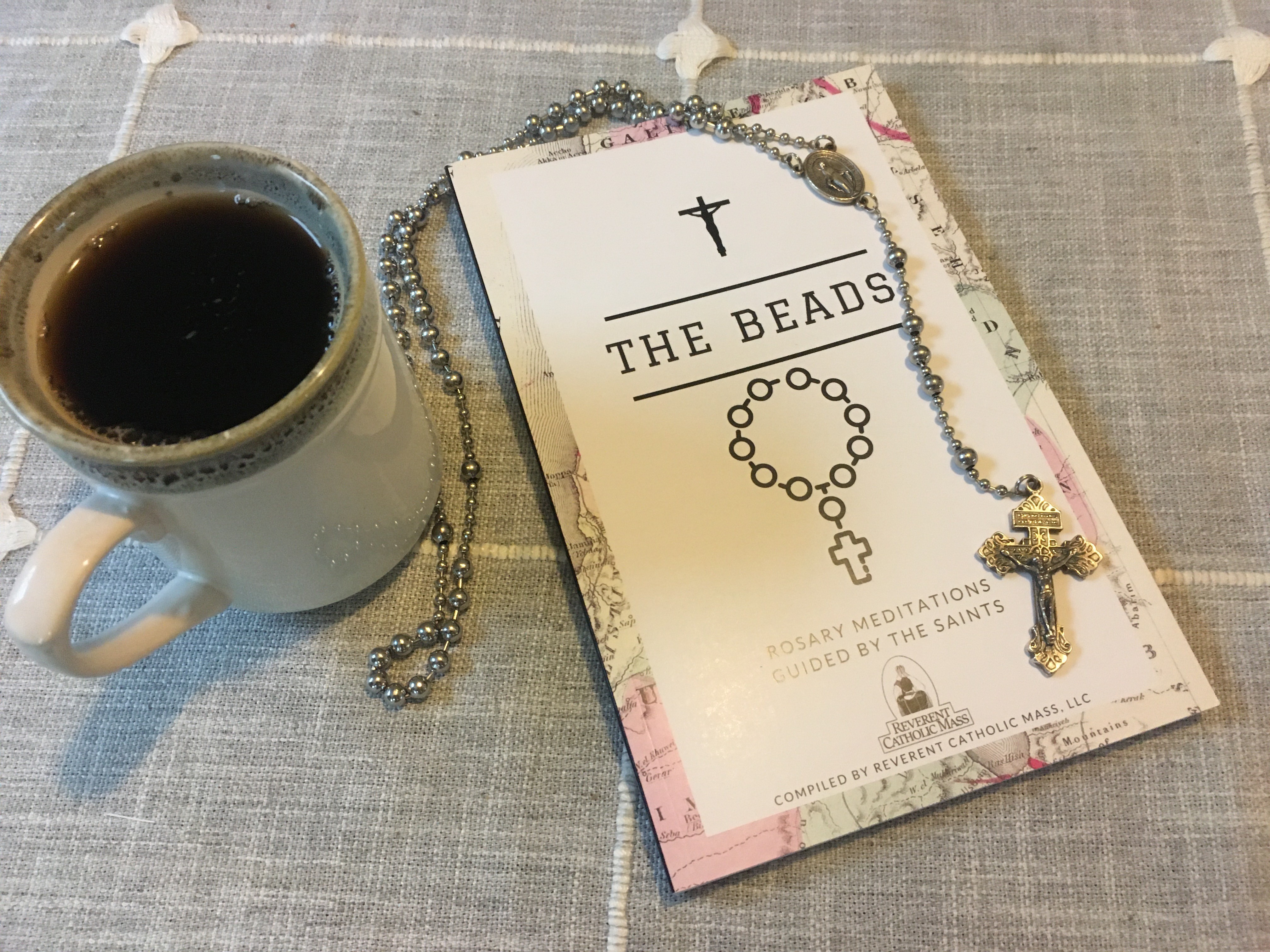
This Rosary Meditation Guide will help you meditate on the life of our Lord, Jesus Christ by taking you bead-by-bead on a journey using reflections from the Douay-Rheims Bible, St. Alphonsus De Liguori, and St. Bonaventure.
If you're looking for a new resource to help you pray the Rosary better and stay more focused, definitely check out "The Beads."
Join hundreds of other Catholics and become a Premium Supporter to gain access to the most authoritative list of faithful Catholic locations mapped out across the United States!

The premium map is so useful! It packs so much useful data in one place. It is a great resource for Catholics who desire location specific information to match their faith. - Michael