

Why Do Catholics Pray Novenas? A Helpful Introduction
A Quick Background and List of Go-Tos for the Novena Novice
Throughout the last few years of my life, which have been rife with health challenges, praying novenas has helped me to stay motivated and faithful during tumultuous times.
The habit of consistently offering the same prayers daily continues to help me to stay grounded in my faith as I pray for healing and for strength.
Though novenas are not rainbows promising pots of gold at their end, anyone who prays them knows that they teach us one of the most vital lessons in the Christian life - trust in God’s Divine Providence.
Have you had friends encourage you to pray a novena to such and such saint, but the idea of a nine-day commitment feels difficult, so you give up before you even start?
Perhaps praying novenas is already a regular part of your spiritual life. Whether you are a novena novice or pray many simultaneously, this guide will give you tips, tricks, and encouragement to pray more novenas and appreciate the fruits of consistent prayer.
What is a Novena?
Novenas are a private or public traditional devotion prayed to implore a specific request or to obtain special graces.[i] The word novena comes from the Latin word novem, meaning nine, which is why novenas are typically prayed over nine consecutive days.
Traditionally, there are four types of novenas:
- Novenas of Mourning: said for deceased souls
- Novenas of Preparation: anticipate a major feast day or event (such as receiving a Sacrament)
- Novenas of Petition: prayed for a specific request
- Novenas of Indulgence: prayed to remove temporal punishment
Related: Plenary or Partial Catholic Indulgences: A Concise Walkthrough
All of these novenas have varying historical origins within the Church.
The earliest novena (also a novena of preparation), for example, is thought to be after the Ascension, when the Disciples’ nine days of “constant prayer” (Acts 1:12, 14) culminated in the descent of the Holy Spirit.
Novenas of mourning originated in the Middle Ages from the practice of saying nine days of Masses for someone who has died, while novenas of indulgence, also called indulgenced novenas, weren’t formally recognized by the Church until the 19th century.[ii]
Cherished Novenas
Here is a list of some popular novenas and links to prayer to help inspire you to begin a new novena!
- St. Therese of Lisieux (traditional dates: Sep. 17th- Oct. 1st) The novena to St. Therese is special because she sometimes sends roses!
- St. Charbel (traditional dates: July 15th- 24th) St. Charbel was a Lebonese monk and priest of the Maronite order who lived during the 1800’s. His novena is especially powerful for healing because he has the most documented miracles attributed to him of any saint.
- St. Dymphna (traditional dates: May 6th-15th). St. Dymphna is the patroness of mental illness- pray to her if you or a family member is suffering from poor mental health.
- St. Joseph (traditional dates: Mar. 10-18th). St. Joseph can assist with anything from employment to finding a house to finding a future spouse!
- Divine Mercy (traditional dates: Good Friday-Divine Mercy Sunday). This is said in preparation for Divine Mercy Sunday and the plenary indulgence you can receive on that day. Pray special prayers, as well as the Chaplet of Divine Mercy, during the days leading up to Divine Mercy Sunday.
- The Surrender Novena: This is a beautiful novena that consists of short meditations on Jesus’ words to Servant of God Don Dolindo Ruotolo, inviting radical trust in Him.
- St. Raphael the Archangel (traditional dates: Sep. 20th-29th) St. Raphael is associated with healing and marriage. Many pray to him to find their future spouse.
- St. Gerard: He is the patron saint of difficult pregnancy and a great advocate. If you ever meet someone named Gerard, there a good chance St. Gerard is the reason they are here.
- 54 Day Rosary Novena: Pray the rosary and some additional prayers consecutively for 54 days, 27 rosaries of petition, and 27 rosaries of thanksgiving.
- Holy Cloak of St. Joseph: a powerful 30-day devotion honoring St. Joseph that involves many prayers to him. St. Teresa of Avila has personally recommended this novena!
Related: 4 Easiest Ways to Pray the Rosary Everyday
Novena Tips – How to Be Consistent
Here are some tips to help remind you to pray novenas if you struggle with consistency
- Have a designated time and place to pray your novena each day.
- Stay accountable- invite a friend or family member to say a novena during the same time as you are and check in daily.
- Set a reminder on your phone.
- Write on a piece of paper check boxes next to each date you will be saying the prayer to keep track of your novena. Keep it in your prayer corner or put it up on a wall.
- Consider using prayer cards, a prayer book, or even physically writing out the novena you want to pray to make the experience more concrete and more memorable.
A Helpful Book for Praying the Rosary Every Day: The Beads: Rosary Meditations Guided by the Saints
How to Pray More Novenas
- Follow a liturgical calendar: A great way to pray more novenas is to utilize a liturgical calendar. You can write in novenas associated with particular saints or feast days and pray them like clockwork each year. This way, you will always know of upcoming novenas to pray.
- Find someone to pray for: Ask your friends and family members if they have any specific prayer intentions or reflect on what someone may be struggling with. Praying for someone else is part of our duty as Christians, and you can brighten someone else’s day by letting them know that he or she is in your prayers. A novena also makes this gift of prayer more concrete, as the other will know that you will be praying consistently for him or her. Additionally, you can always pray for the souls in purgatory, which is one of the greatest acts of charity you can do in this lifetime.
- Use an app: Another excellent resource is (not sponsored) an app specifically for praying novenas called Intercede. Intercede allows you to browse, set intentions, fill in answered prayers, and keep track of many different novenas. The app is free to use, but some of the more popular novenas require a subscription. If you prefer praying novenas digitally, you can also always have a tab open on your phone for a novena found online but isn’t available to you on the app.
What Novenas Are Not
Novenas are not magic, yet it can be tempting to have a superstitious mindset about them to fixate on the “results” (or lack thereof) you received from novenas you have prayed. However, if you become focused on what you are going to get from novenas, you truly miss out on what you can gain from them, whether your intention was answered in the way you had hoped or not.
Additionally, the idea that novenas should provide quick results or instant answers reflects a deeper problem in your spiritual life. If the only time you pray is to ask God for what you need or want and you become angry with Him when He does not answer how you have hoped, or in the time you expect, then what does that indicate about having trust and love for God?
Jesus prayed in the Garden of Gethsemane for God the Father to take the cup of suffering from him. But he followed up with "Not my will but Thy will be done." God answers prayers in ways we do not expect and in His timing. When those prayers are answered, many times the answers are in ways that far exceed ones hopes, but it may not be obvious.
Related: The Essential Catholic Guide to Meditation
Novenas are About Trust
Novenas are primarily a testament to faith because they require perseverance in prayer and trust in God. They are less about what you are praying for and more about Who you continue to run to day after day. When you pray faithfully and perseveringly for nine days, you display a radical trust in God to provide for you. The experience of a committed nine days of prayer will help you to grow closer to God and recognize that your prayer will be answered in the most fitting way for the salvation of your soul.
Prayer is ultimately about relationship, and the more we pray, the more we grow in love and trust in Him. All prayers are good, even prayers that appear unanswered because by prayer we cultivate a relationship with Jesus and practice discipline within our spiritual lives.
Additionally, praying novenas allows us to choose God each day, acknowledge that we need to pray, and assists us to recognize that we need Him. When the habits of our daily lives and all the planning and testing that may go into overcoming an obstacle fails, it is important to remember to intentionally choose trust in Christ.
So pray novenas! Pray many novenas so that you may learn to be patient and trusting in the God that loves you!
ABOUT THE AUTHOR
M.K.S is an English Literature major and recent graduate. In her free time, she enjoys reading, writing, graphic design, and learning about Carmelite spirituality.
Reverent Road to Sunday: A Daily Journal for Developing Habits in the Liturgical Year
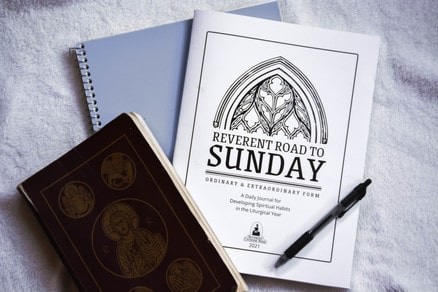
If you have been struggling to stay on track and make progress in the spiritual life, perhaps The Reverent Road to Sunday: A Daily Journal for Developing Spiritual Habits in the Liturgical Year will help.
Features:
-
Novus Ordo feast days and readings
-
Traditional Latin Mass (1962) feast days and readings
-
Checkboxes with daily spiritual habits reminders such as the Morning Offering, daily Mass, silent prayer, rosary, spiritual reading, Angelus, and Daily Examen
-
Monthly confession reminders
-
Weekly Friday abstinence reminders
-
Tons of space for notes to track your progress
The Beads: Rosary Meditations Guided by the Saints
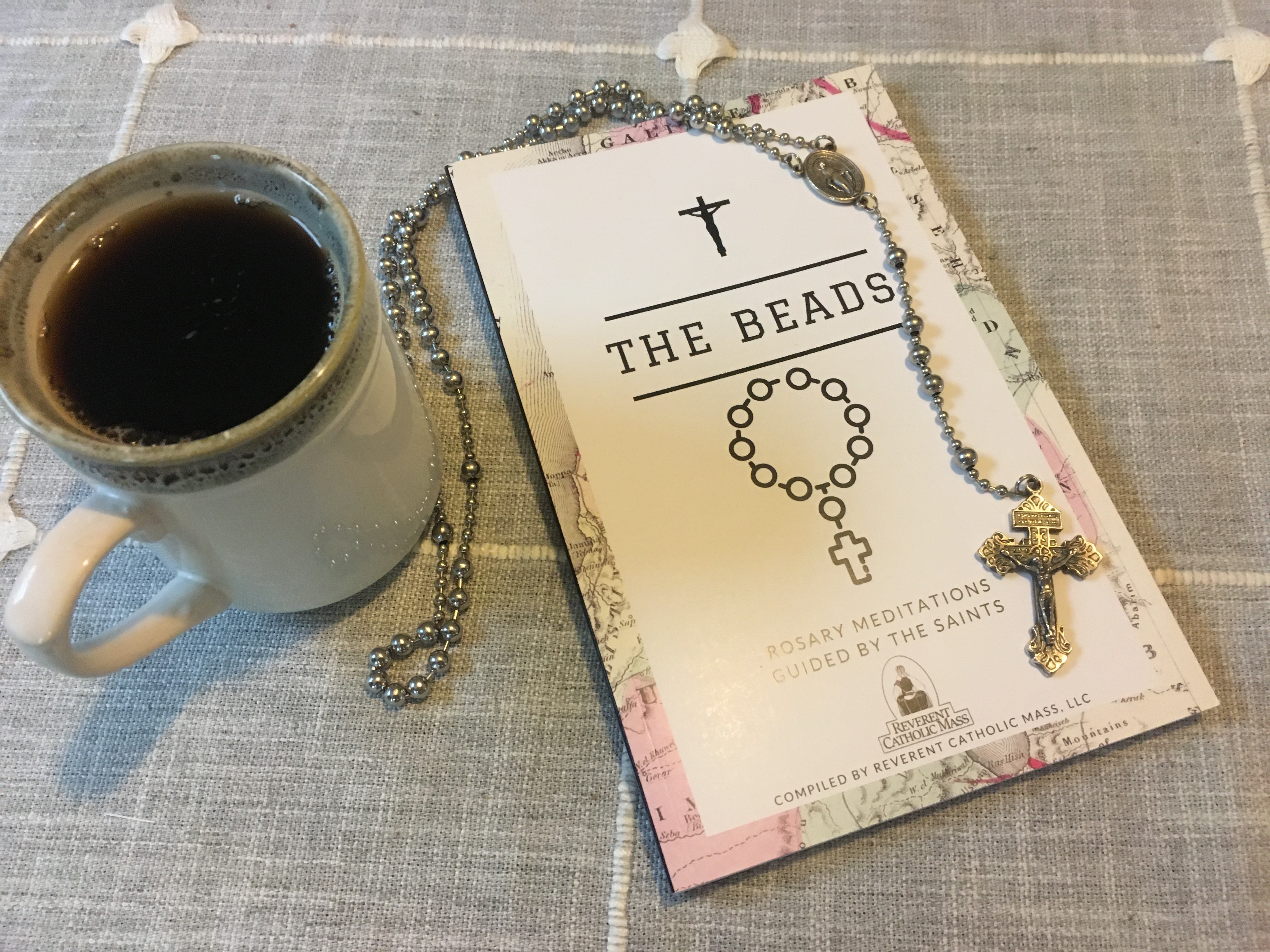
This Rosary Meditation Guide will help you meditate on the life of our Lord, Jesus Christ by taking you bead-by-bead on a journey using reflections from the Douay-Rheims Bible, St. Alphonsus De Liguori, and St. Bonaventure.
If you're looking for a new resource to help you pray the Rosary better and stay more focused, definitely check out "The Beads."
Join hundreds of other Catholics and become a Premium Supporter to gain access to the most authoritative list of faithful Catholic locations mapped out across the United States!
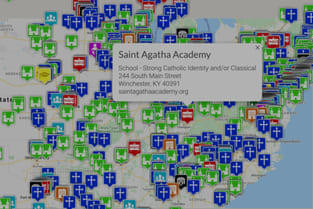
The premium map is so useful! It packs so much useful data in one place. It is a great resource for Catholics who desire location specific information to match their faith. - Michael